
When you begin exploring sermorelin as part of your wellness, anti-aging, or metabolic goals, the way your dosage is planned plays a major role in your experience. Even though sermorelin is often well-tolerated, it still influences complex hormonal pathways, including growth hormone (GH) release and downstream IGF-1 activity. If your dose is too low, you may not notice any real benefits. If it’s too high, you may experience avoidable side effects.
At Genesis Lifestyle Medicine, your care is built around precision. That includes carefully determining the right sermorelin dose for your goals, monitoring how your body responds, and adjusting over time. This article explores why dosage matters, which factors influence dosing decisions, and how you can support safe, effective use while on sermorelin therapy.
Why proper dosage is essential for sermorelin
Sermorelin stimulates your pituitary gland to release growth hormone in a pulsatile, physiologic way. Because this system is naturally sensitive, the correct dose ensures that GH and IGF-1 levels rise in a controlled and stable manner. When the dosage is properly set:

- Your results improve. The right dose supports sleep, metabolism, recovery, and general vitality without pushing your GH axis too aggressively.
- Side effects remain low. Symptoms such as headaches, nausea, or sleep disruption are more common when doses exceed what your body can comfortably tolerate.
- Nighttime physiology is supported. Sermorelin is usually taken in the evening to align with your natural GH peaks, making proper timing and dosage essential.
Because every person’s GH feedback loop is different, working with experienced clinicians ensures your dose aligns with your biology.
What is the ideal sermorelin dosage?
There is no single “ideal” sermorelin dose. In adult wellness and metabolic contexts, many clinicians start between 100-300 mcg nightly and titrate based on your response, sleep patterns, and IGF-1 trends. Some may use 300-500 mcg in select cases, but only after careful monitoring. Because adult sermorelin use is off-label, dosing ranges vary, and your provider personalizes the plan to your needs.
Factors that influence sermorelin dosage:
- Your age: Growth hormone output naturally declines with age, which means older adults may benefit from a slightly different dosage range than younger adults. Clinicians consider your age when assessing pituitary responsiveness and IGF-1 levels before establishing a dose.
- Your baseline IGF-1 levels: IGF-1 is a practical biomarker for evaluating GH activity. If your IGF-1 levels are low at baseline, your provider may start with a moderate dose. If they are already mid-range, a lower initial dose may be safer, followed by gradual increases.

- Your goals: Whether your goal is improved sleep, enhanced metabolism, weight management, or overall wellness, your recommended dosage depends on what you hope to achieve. Some goals require gradual escalation to see optimal results.
- Your sensitivity to side effects: If you’re prone to headaches, nausea, or disrupted sleep, your clinician may choose a conservative starting dose and slowly titrate upward.
- Your sleep quality: Because sermorelin works synergistically with deep sleep, those with insomnia or irregular sleep patterns may need a tailored dosing strategy.
- Coexisting medical conditions: Thyroid imbalances, metabolic disorders, and medication interactions may alter how your GH axis responds to the peptide. Your clinician evaluates these factors before finalizing your personalized treatment plan.
- Other hormone or peptide therapies: If you are on thyroid medication, testosterone therapy, or other peptides, your body’s response to sermorelin may differ, which can influence both the starting dose and long-term adjustments.
Tips to maintain optimal sermorelin dosage and use:
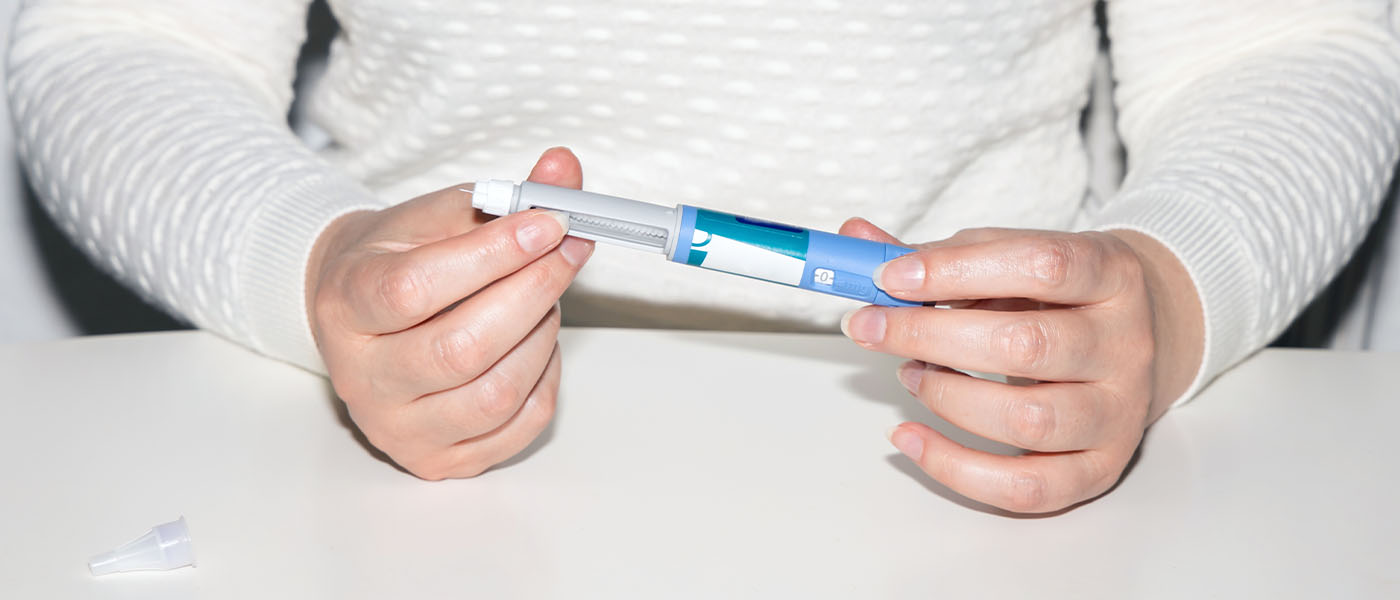
- Follow safe injection technique: Proper subcutaneous injection technique is essential for both comfort and safety. Clean the vial top, use a new sterile needle each time, inject into the abdomen/thigh/upper arm, and rotate sites to avoid irritation.
- Maintain consistency with timing: Sermorelin works best when taken at the same time each evening. Consistency supports your natural GH rhythm and helps your provider evaluate how well the dose aligns with your sleep cycle.
- Track your symptoms and sleep: A simple daily log of doses, sleep quality, and any symptoms helps your provider see trends. This information enables more accurate dose adjustments and prevents unnecessary side effects.
- Keep up with scheduled follow-ups: During the first few months, clinicians typically check in every 1-2 months to review your clinical progress and IGF-1 levels. Staying consistent with these visits ensures your dosage remains both effective and safe.
- Communicate any new side effects: If you notice persistent nausea, swelling, mood changes, sleep issues, or headaches, notify your provider promptly. Early communication prevents minor changes from turning into bigger setbacks.
- Maintain gradual titration: Your body responds best when sermorelin dosage increases happen slowly and intentionally. Gradual titration allows your provider to observe how your GH and IGF-1 levels shift, adjust your plan before side effects arise, and ensure your long-term results remain both safe and sustainable.
Finding the right sermorelin dosage is a careful balance of safety, physiology, and your long-term goals. With individualized titration, ongoing monitoring, and attention to your experience, you can achieve meaningful benefits without unnecessary discomfort. At Genesis Lifestyle Medicine, your treatment plan is centered on your unique biomarkers, wellness needs, and comfort. Please schedule a consultation to explore your sermorelin treatment options.