

You may be starting hormone replacement therapy (HRT) because you are tired of feeling unlike yourself. Hot flashes, night sweats, low energy, weight gain, poor sleep, brain fog, or mood changes can slowly wear you down and affect nearly every part of your life. HRT can be a powerful step toward restoring balance, but it is not meant to work alone.
When you pair HRT with supportive lifestyle changes, you give your body the tools it needs to respond more effectively and sustainably. At Genesis Lifestyle Medicine, care is built around a whole-body approach that focuses on healing from the inside out. In this article, you will learn why lifestyle changes are so important when starting HRT and which habits can help you get the most out of your treatment.
Why lifestyle changes are crucial while on HRT
Improve how well HRT works
HRT helps restore hormones that decline with age or during hormonal transitions, but your body’s response is influenced by daily habits. What you eat, how you move, and how you sleep all affect how hormones are absorbed, metabolized, and utilized.

Poor nutrition, chronic stress, and inactivity can disrupt hormonal signaling and increase inflammation, potentially blunting the benefits of therapy. When you adopt healthier habits, you create an internal environment that allows HRT to work more efficiently. Many people notice more stable energy, fewer symptom fluctuations, and better overall results as a result.
Support long-term health beyond symptom relief
HRT is often started to address uncomfortable symptoms, but hormone balance also plays a role in long-term health. Estrogen, progesterone, and testosterone influence bone density, heart health, muscle mass, and metabolic function.
Lifestyle changes help protect these same systems. Regular movement strengthens bones and muscles, heart-healthy nutrition improves cholesterol and blood sugar, and stress management supports cardiovascular and immune health. By combining HRT with healthy habits, you are not just treating symptoms today, but you are investing in your future well-being.
Help manage weight and metabolism
Many people notice weight gain or changes in body composition during hormonal shifts. HRT can help improve metabolic balance, but it does not automatically cause weight loss.
Nutrition quality, portion awareness, and physical activity still play a major role. Strength training helps preserve lean muscle, which supports metabolism, while balanced meals prevent blood sugar swings that contribute to fat storage and cravings. Lifestyle changes give you greater control over weight trends and help HRT deliver more noticeable metabolic benefits.
Enhance energy, mood, and mental clarity
Low energy, irritability, anxiety, and brain fog are common reasons people seek hormone therapy. While HRT addresses the hormonal component, lifestyle factors strongly influence mental and emotional health. Consistent sleep improves neurotransmitter balance, regular movement increases endorphins, and proper nutrition fuels the brain.
Reduce potential risks associated with hormone therapy
HRT is considered safe for many individuals when properly prescribed and monitored. Still, overall health status influences risk. Smoking, sedentary behavior, poor diet, and unmanaged stress can increase the likelihood of issues such as high blood pressure, insulin resistance, and cardiovascular disease. Healthy habits improve your body’s ability to tolerate therapy.

Lifestyle changes that can support HRT
Balanced, nutrient-dense nutrition
A diet centered on whole foods provides the building blocks your body needs to process hormones. This style of eating supports stable blood sugar, reduces inflammation, and promotes heart and gut health, all of which influence hormonal balance. Focus on:
- Lean proteins such as fish, poultry, eggs, tofu, and legumes
- Plenty of vegetables and fruits
- Whole grains and fiber-rich carbohydrates
- Healthy fats from olive oil, nuts, seeds, and avocados
Regular physical activity
Movement is one of the most effective ways to support hormone function. Exercise improves insulin sensitivity, supports bone density, preserves muscle mass, and boosts mood. It also helps regulate appetite and improve sleep quality. Aim for a combination of:
- Moderate cardiovascular exercise on most days of the week
- Strength training two to three times per week
Prioritizing sleep
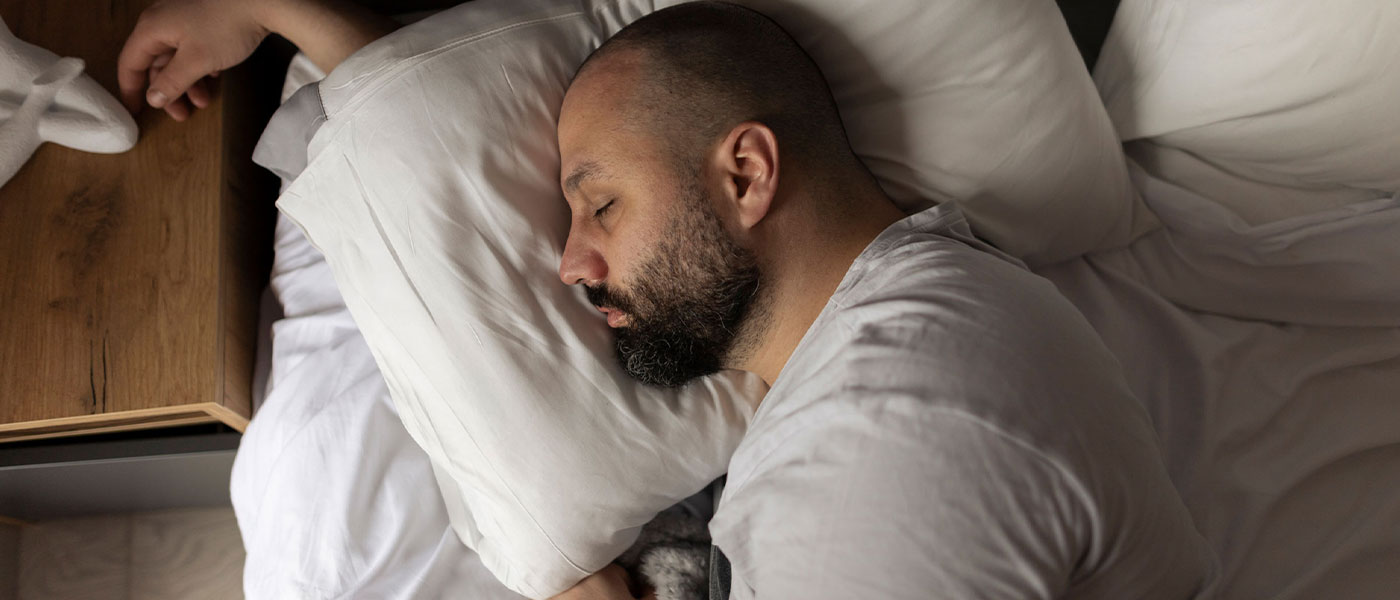
Most adults need 7 to 9 hours of sleep per night. Poor sleep disrupts hormones related to hunger, stress, and metabolism, making symptoms harder to control. Helpful strategies that can improve sleep include maintaining a consistent sleep schedule, limiting screen time before bed, creating a cool, dark sleeping environment, and avoiding heavy meals late at night.
Stress management
Chronic stress raises cortisol levels, which can interfere with sex hormone balance and worsen symptoms such as hot flashes, fatigue, and weight gain. Daily practices such as deep breathing, gentle stretching, meditation, or quiet walks can lower stress and improve emotional well-being. Finding healthy ways to decompress supports both mental health and hormone regulation.
Limiting alcohol and highly processed foods
Alcohol and heavily processed foods can worsen hot flashes, disrupt sleep, and contribute to weight gain. Reducing intake often leads to noticeable improvements in symptom control and energy levels. Choosing whole, minimally processed foods and staying well hydrated supports liver function, which plays a key role in hormone metabolism.
Starting HRT is an important step toward restoring balance, but true transformation happens when treatment is paired with supportive lifestyle changes. At Genesis Lifestyle Medicine, your care plan is built around a personalized, whole-body approach that combines advanced medical therapies with sustainable lifestyle guidance. By committing to both, you give yourself the best chance to feel stronger, healthier, and more like yourself again. Schedule your consultation with us today.