

You start to notice subtle shifts that don’t feel like yourself. Your sleep becomes inconsistent, your energy dips in the middle of the day, and your mood is harder to regulate than it used to be. Maybe your body is changing in ways you didn’t expect: weight redistributes, your hair feels thinner, or sexual intimacy becomes uncomfortable. At first, you might brush it off as stress or aging, but over time, the pattern becomes harder to ignore.
If these symptoms are beginning to affect your daily life, it may be a sign of an underlying imbalance. At Genesis Lifestyle Medicine, we offer personalized hormone therapy to restore balance at the root level, helping you feel like yourself again. Understanding the signs that your body may need support is the first step toward reclaiming your health and confidence.
Low sex drive and changes in sexual health
A noticeable decline in libido is one of the most common (and often most frustrating) signs of hormonal imbalance. As estrogen levels decrease, you may find that your interest in intimacy fades or that arousal takes longer than it used to.

In addition to reduced desire, you may also experience vaginal dryness or discomfort during intercourse. These changes can affect not only your physical comfort but also your emotional well-being and relationships. Hormone therapy can help restore natural lubrication, improve sensitivity, and support a healthier, more satisfying sex life.
Persistent vaginal dryness, itching, or irritation
Hormones play a critical role in maintaining the health and elasticity of vaginal tissues. When estrogen levels decline, these tissues can become thinner and more prone to irritation.
You may notice ongoing dryness, itching, or a burning sensation that doesn’t resolve with over-the-counter solutions. These symptoms can interfere with your comfort throughout the day, not just during intimacy. Hormone therapy works by replenishing estrogen levels, helping to restore tissue integrity and reduce chronic irritation.
Frequent hot flashes and night sweats
Hot flashes are one of the hallmark symptoms of hormonal imbalance, especially during perimenopause and menopause. You may suddenly feel an intense wave of heat, often accompanied by sweating, flushing, and discomfort.
Night sweats can be even more disruptive, waking you from sleep and leaving you feeling fatigued the next day. These symptoms are caused by hormonal fluctuations that affect your body’s internal temperature regulation. Hormone therapy can help stabilize these fluctuations, reducing both the frequency and intensity of these episodes.
Mood swings, anxiety, or emotional instability
If you’ve been feeling more irritable, anxious, or emotionally sensitive than usual, your hormones may be influencing your mental and emotional state. Estrogen plays a role in regulating neurotransmitters like serotonin, which affect mood and emotional balance.
Hormonal shifts can lead to:
- Increased irritability
- Heightened anxiety
- Periods of low mood or sadness
- Difficulty coping with stress

Hormone therapy can help stabilize these fluctuations, supporting a more balanced and consistent emotional state.
Chronic insomnia or disrupted sleep
Sleep disturbances are a common but often overlooked symptom of hormonal imbalance. You may find it difficult to fall asleep, stay asleep, or feel rested even after a full night in bed.
This can be linked to both night sweats and the impact hormones have on your sleep-wake cycle. Over time, poor sleep can affect your cognitive function, productivity, and overall health. By restoring hormonal balance, hormone therapy can help improve sleep quality.
Unexplained weight gain or changes in body composition
If your weight has been increasing despite maintaining the same diet and exercise routine, hormonal changes may be a contributing factor. As estrogen levels decline, your body may begin to store fat differently, often around the abdomen.
You may also notice a decrease in muscle mass, which can slow your metabolism and make weight management more challenging. Hormone replacement therapy can help regulate metabolic processes, making it easier to maintain a healthy body composition when combined with a healthy diet and regular exercise.
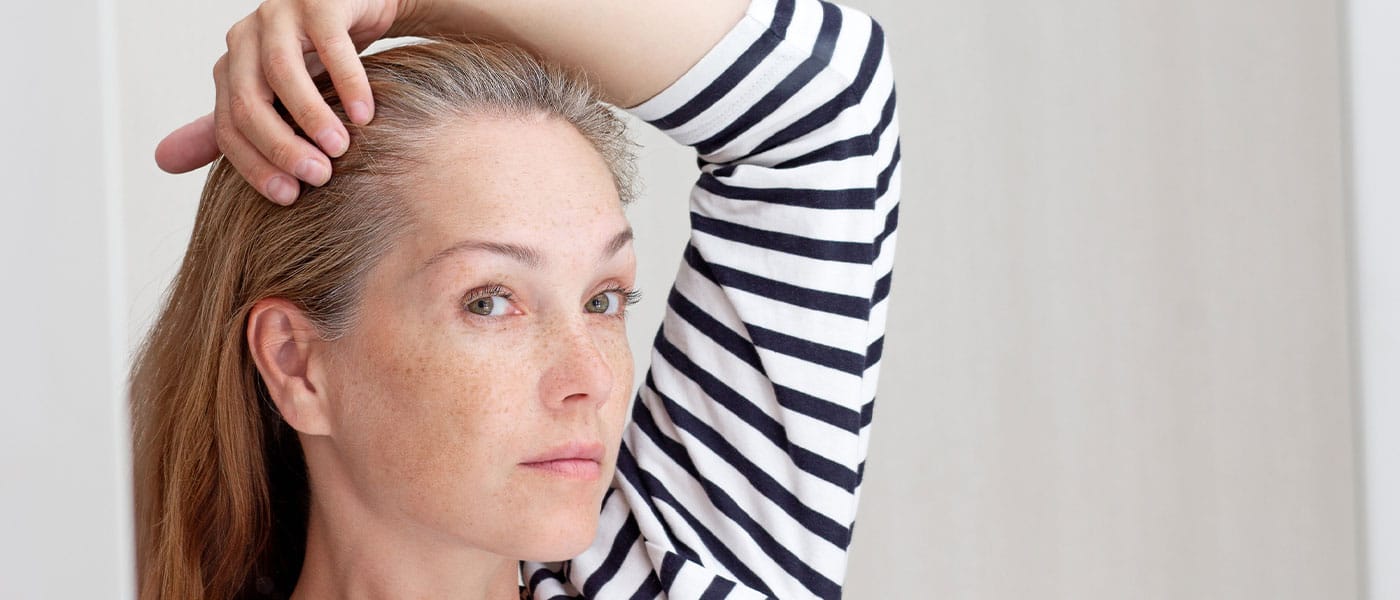
Hair thinning and changes in skin quality
Hormonal balance plays a key role in maintaining healthy hair and skin. When estrogen declines, you may notice that your hair becomes thinner, more fragile, or sheds more easily.
At the same time, your skin may appear drier, less elastic, or more prone to fine lines. These changes can feel sudden and affect your confidence. Hormone therapy helps support collagen production and hair growth, contributing to healthier, more resilient hair and skin.
Urinary changes and bladder control issues
Lower estrogen levels can weaken the tissues that support your bladder and urethra. As a result, you may experience increased urinary urgency or leakage during everyday activities like coughing, sneezing, or laughing.
These symptoms can be inconvenient and sometimes embarrassing, but they are also very common during hormonal transitions. Hormone therapy can help strengthen these tissues, improving bladder control and reducing urinary symptoms.
Take the next step toward hormonal balance
Hormonal changes are a natural part of life, but when they begin to disrupt how you feel, function, and show up each day, they shouldn’t be ignored. At Genesis Lifestyle Medicine, we offer personalized hormone therapy to restore balance. With advanced testing, treatment plans, and ongoing support, we help you move forward with renewed vitality. Contact us to schedule your consultation today.