
Refresh your skin, refine your tone, and reveal a healthier complexion. Chemical peels can deliver powerful, visible results. But what happens after your treatment is just as important as the peel itself. Your skin is entering a highly sensitive, regenerative phase, and how you care for it during this time will directly shape your outcome.
At Genesis Lifestyle Medicine, your treatment is part of a guided, personalized journey toward long-term skin health. Proper aftercare ensures your skin heals properly, minimizes risks, and maximizes results. This guide walks you through exactly what to do and what to avoid after a peel so you can protect your investment and support lasting transformation.
Why aftercare is critical to your results
A chemical peel works by intentionally exfoliating the outer layers of your skin, triggering a controlled healing response. As your skin regenerates, new cells surface, collagen production is stimulated, and overall texture and tone improve. However, this renewal process temporarily weakens your skin barrier, leaving it more vulnerable than usual.
In this delicate window, your skin is highly responsive to both beneficial skincare and potential damage. The way you manage your skin in the days and weeks following your peel can either enhance your results or compromise them.
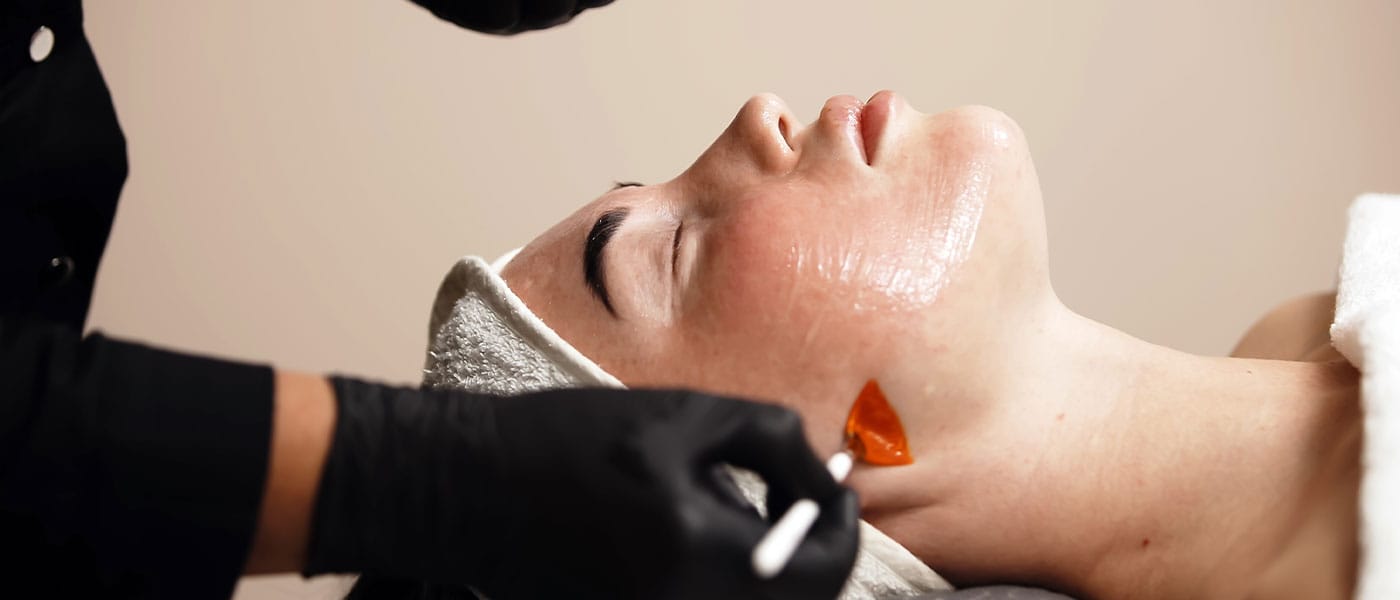
The Role of Skincare After a Chemical Peel
Your skin is never more receptive, or more vulnerable, than in the days after a chemical peel. That’s why the products you choose really matter. Medical-grade, restorative skincare helps replenish moisture, accelerate healing, and calm irritation, all while protecting your new skin from environmental stressors. Using the right regimen isn’t just about feeling comfortable; it’s about ensuring your results look as radiant and healthy as possible.
We recommend Statur Skin for post-peel care. Their formulas are developed specifically to support sensitive, healing skin after treatments like chemical peels. Statur Skincare’s gentle ingredients are designed to work in harmony with your skin’s renewal cycle, helping you bounce back quickly and glow confidently. Visit staturskin.com to discover products tailored for post-procedure care and long-term skin health.
What to do after chemical peels
Protect your skin from the sun
Sun protection is non-negotiable after a peel. Your newly revealed skin is extremely sensitive to ultraviolet rays, and even brief exposure can lead to pigmentation issues or delayed healing.
You must apply a broad-spectrum sunscreen with at least SPF 30 daily, ideally SPF 50. Reapply throughout the day, especially if you’re outdoors. Protective measures like wearing a wide-brimmed hat and avoiding peak sun hours will further safeguard your results.
Use a gentle, non-stripping cleanser
After your peel, your skin needs cleansing, but in the gentlest way possible. Harsh or foaming cleansers can strip away essential moisture and disrupt the healing process.
Opt for:
- Cream or balm cleansers
- Soap-free formulations
- Fragrance-free products
These help cleanse your skin without compromising its fragile barrier.
Cleanse with cool or lukewarm water
Temperature matters more than you might think. Hot water can intensify redness, irritation, and inflammation in post-peel skin. Instead, wash your face with cool or lukewarm water. This helps soothe the skin and maintain a calm healing environment. When drying your face, gently pat your skin: never rub, scrub, or apply pressure.
Moisturize consistently to support healing
Hydration is an important aspect of post-peel care. Your skin may feel tight, dry, or flaky as it heals, and a high-quality moisturizer helps restore balance. Look for moisturizers that are:
- Lightweight and hydrating
- Free of active ingredients like acids or retinoids
- Rich in barrier-supporting ingredients
Consistent moisturizing improves comfort and supports a smoother, more even recovery.
Follow your provider’s personalized instructions
Every peel is different, and your aftercare should reflect that. Factors such as peel depth, your skin type, and your goals influence how your skin heals. Your provider may recommend:
- Specific products to use or avoid
- When to resume active ingredients
- How long to expect peeling or redness
Following these instructions carefully ensures you achieve the best possible outcome.
Schedule A Consultation
Contact Us
What to avoid after chemical peels
Avoid heat, sweating, and intense activity
For the first few days after your peel, it’s important to keep your skin cool and calm. Heat and sweat can irritate your skin and interfere with healing. You should avoid:
- Intense workouts
- Saunas and steam rooms
- Hot showers or hot yoga
Allow your skin time to stabilize before returning to these activities.
Avoid exfoliation of any kind
It may be tempting to speed up the peeling process, especially when your skin starts to flake, but doing so can do more harm than good. Avoid:
- Physical scrubs
- Chemical exfoliants (like AHAs or BHAs)
- Cleansing brushes or devices
Your peel has already provided deep exfoliation. Additional exfoliation can lead to irritation, uneven results, or damage.
Avoid picking, peeling, or touching your skin
As your skin begins to shed, you may feel the urge to peel away flaking areas. Resist this completely. Picking or pulling at your skin can lead to:
- Scarring
- Infection
- Uneven texture
Let your skin naturally go through its renewal process. This ensures a smoother, healthier result.
Avoid retinol and other active ingredients
Retinoids, acids, and similar active ingredients are highly effective, but too aggressive for freshly treated skin. Using them too soon can:
- Overwhelm your skin
- Cause irritation or burning
- Delay the healing process
Wait until your skin has fully recovered before reintroducing these products.
Avoid rushing into other treatments
Your skin needs time to fully heal before undergoing additional procedures. Jumping into another treatment too soon can compromise your results. Give your skin at least 1-2 weeks (or longer, depending on the peel) before considering further treatments. Your provider will guide you on the appropriate timeline.
How long does recovery take after chemical peels?
Recovery time varies depending on the depth of your peel and your individual skin response.
For lighter, superficial peels, you may experience mild redness and flaking for about 3 to 5 days. These treatments involve minimal downtime and allow you to return to daily activities quickly. For medium-depth peels, recovery may take closer to 5 to 10 days, with more noticeable peeling and sensitivity. During this time, your skin may feel tight, dry, and visibly flaky.
It’s important to understand that these symptoms are part of the healing process. As your skin renews itself, you’ll gradually notice improvements in clarity, smoothness, and overall tone. Patience during this phase is key to achieving optimal results.
FAQs
When can you wear makeup after a chemical peel?
You can usually resume wearing makeup 24 to 48 hours after a light peel, depending on how your skin feels. However, if your skin is still sensitive, it’s best to wait longer. Applying makeup too soon can irritate your skin or interfere with healing. Always prioritize recovery.
Is peeling always visible after a chemical peel?
Not necessarily. While some peels result in visible flaking or shedding, others work at a more superficial level and may not cause noticeable peeling. Even if you don’t see peeling, your skin is still undergoing renewal beneath the surface.

Can you speed up the peeling process?
You should not try to accelerate peeling through exfoliation or picking. This can damage your skin and lead to uneven results. Instead, support your skin by:
- Keeping it well-hydrated
- Using gentle products
- Avoiding irritants
What are the signs that your skin is healing properly?
Normal signs of healing include mild redness, dryness or tightness, and flaking or peeling. As your skin recovers, these symptoms will gradually subside.
What happens if you don’t follow aftercare instructions?
Neglecting proper aftercare can compromise your results and increase the risk of complications like hyperpigmentation, prolonged irritation, uneven skin texture, and delayed healing.
Support your skin with expert care
A chemical peel is more than a surface-level treatment: it’s a catalyst for deeper skin renewal. But the true value of your peel lies in how well your skin is supported afterward.
At Genesis Lifestyle Medicine, you’re guided through every step, from treatment to recovery and beyond. With personalized care and a commitment to long-term results, you can feel confident your skin is in expert hands. For best results, support your healing at home with products from Statur Skin, designed to maximize comfort, speed recovery, and protect your glow. Schedule your consultation today.
Medically reviewed by Dr. Alex Spinoso