Losing a lot of weight can feel like a great accomplishment. However, it sometimes comes with an unpleasant side effect: loose skin. Many people experience loose skin after weight loss, even after healthy changes to diet and exercise.
If you've noticed loose skin after significant weight loss, you're probably wondering if it'll get better and what to do about it. Fortunately, there are several ways to improve loose skin after 50+ pound weight loss, including several non-surgical skin tightening treatments that we'll discuss in this article.
At Genesis Lifestyle Medicine, we offer a variety of aesthetics treatments to help with loose skin and overall skin quality. These options can also help tighten skin while supporting skin elasticity over time. This article provides you with key information on the connections between weight loss and loose skin, and the non-surgical options to help treat it, so you can look your best.
Understanding Loose Skin After 50+ Pound Weight Loss
The Science Behind Skin Elasticity After Weight Loss
When you gain weight, especially body fat, the skin is gradually stretched out over time. This damages the collagen and elastin fibers, which are key proteins involved in skin firmness, elasticity, integrity, and overall structural quality of the skin.
As a result, massive weight loss (especially 50 pounds or more) creates a situation where your skin is too loose for the new, lighter body that it surrounds. Therefore, many people experience decreased skin elasticity after weight loss.
Logically, you might think that the skin would retract or 'snap back' to fit the new body. However, damage to collagen and elastin fibers makes it difficult to retract, which causes persistent loose skin. Massive weight loss is also associated with other skin issues, such as skin inflammation and accelerated skin aging.
What Snaps Back: Understanding Skin Elasticity
Now, it is possible for some of the skin to snap back, but most of this occurs within the first year, after which it becomes much less likely for changes to occur. There are also certain factors that make your skin more or less likely to retract, such as:
Weight Loss Timeframe
Very rapid weight loss increases the likelihood of loose skin compared to a more gradual weight loss. This is because rapid weight loss gives the skin less time to adapt and remodel to the new body. Thus, loose skin is particularly common after bariatric surgery or other measures in which weight is reduced rapidly.
Age
As you age, your body naturally produces less collagen and elastin. Therefore, loose skin becomes less likely to snap back the older you get, whereas younger individuals may not experience as much of a problem.
Genetics
Certain genetic factors can influence the structural strength and function of key skin proteins, such as collagen and elastin. In addition, genetics partially influence skin firmness, thickness, and resilience, which can all affect how well your skin responds after weight loss.
Duration of Excessive Weight
The longer you've spent living at a higher weight, the longer this stretches out your skin, leading to more significant structural damage. This makes it less likely for it to fully retract and achieve optimal skin elasticity after weight loss.
What Doesn't Snap Back: Common Areas of Loose Skin
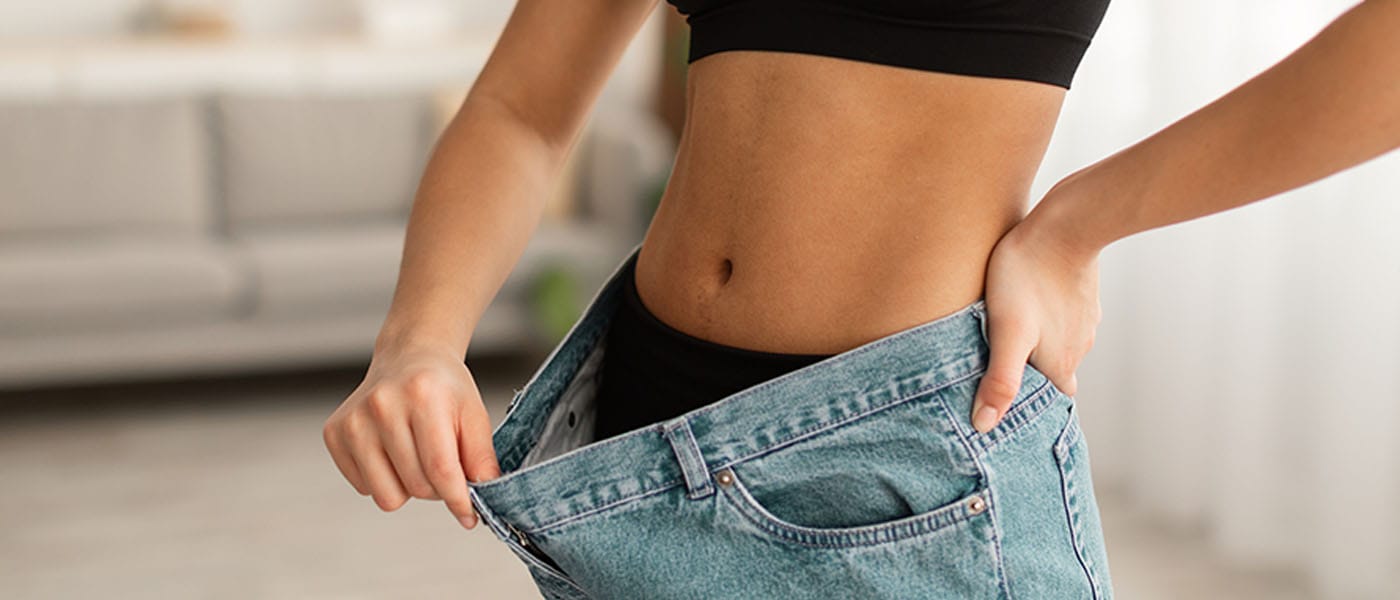
Areas of the body with significant fat storage and stretching are less likely to snap back compared to areas that don't have as much fat storage. Some of these high fat-storage areas include the upper arms, belly, thighs, buttocks, and breasts.
By contrast, the face and neck generally hold less fat and may be more likely to retract to a greater degree.
What are Non-Surgical Skin Tightening Treatments?
Surgery is often effective for loose skin. However, it often has a significant recovery time, and involves an inherent risk of complications. Fortunately, there are many non-invasive skin rejuvenation options that can be quite effective and are all backed by research. This includes:
- Radiofrequency Therapy and HIFEM: Emsculpt NEO
- Radiofrequency Therapy: Morpheus8
- Fat Freezing Method: CoolSculpting
- Microneedling with PRP
Radiofrequency Therapy: Emsculpt NEO
Emsculpt NEO is a body contouring tool that uses a combination of radiofrequency and high-intensity focused electromagnetic (HIFEM) energy. Radiofrequency utilizes specific radiofrequency waves to create a controlled increase in heat in the deeper layers of the skin. This stimulates collagen and elastin production, which can improve skin firmness, elasticity, and hydration, while also helping skin damage.
In the case of Emsculpt NEO, which is offered at Genesis Lifestyle Medicine, the radiofrequency treatment also heats your muscles, which increases muscle temperature and eliminates fat cells. This is combined with HIFEM energy that stimulates muscle fiber growth via hard muscle contractions. Together, Emsculpt NEO can create a more tightened, toned appearance and help tighten skin.
Radiofrequency Therapy: Morpheus8
Morpheus8 is one of the leading treatments for skin aging and other skin concerns. This treatment utilizes the powerful combination of radiofrequency and microneedling technology.
Microneedling on its own is beneficial, as it involves the use of very small needles to create controlled damage to the skin's outermost layer. This stimulates the skin's natural healing processes and leads to an increase in collagen and elastin production.
But with Morpheus8, radiofrequency radiation is included into the microneedles, which penetrates the deep layers of skin and the fatty tissue beneath it. This leads to positive changes in collagen and elastin, which promotes firmer, smoother, and healthier skin, among other benefits. This is why Morpheus8 remains one of the leading options, including here at Genesis Lifestyle Medicine.
Fat Freezing Method: CoolSculpting
The fat freezing method uses extremely cold temperatures to freeze and remove stubborn fat cells in a process called cryolipolysis. Over time, these frozen fat cells become crystallized and are eliminated by the body, leading to a more toned, healthier appearance.
One of the more effective fat freezing procedures is CoolSculpting, which is FDA-cleared for use. Through the power of cryolipolysis, CoolSculpting has been shown to destroy 20 to 25% of fat cells in each treatment area, leading to highly noticeable changes in your appearance.
Microneedling with PRP
Another potentially beneficial skin rejuvenation treatment is microneedling with platelet-rich plasma (PRP). In this treatment, microneedling is first incorporated to create controlled, small damage in the skin. After this, these skin areas are injected with PRP, which is derived from your own blood.
PRP contains growth factors that help enhance collagen and elastin production, while offering overall skin rejuvenation. This treatment is also known as the Vampire Facial® and Genesis Lifestyle Medicine providers are all certified in this treatment.
Schedule A Consultation
Contact Us
What are Advantages of Non-Surgical Options for Loose Skin?
Non-surgical options for loose skin offer many advantages and benefits. They can help tighten skin while improving skin elasticity over time. This include:
- Non-invasive or minimally invasive methods
- Only mild (or no) discomfort/pain
- Little to no downtime. You can get back to your daily life quickly.
- Relatively quick: Treatments typically last between 30 and 60 minutes, so you don't have to worry about spending all day getting treated either.
- Lower risk of adverse effects (compared to surgical options)
What are considerations of non-surgical options?
While there are many advantages, there are also potential limitations and things to consider, including:
- Results take time, with greatest benefits after a few months
- May require multiple treatments
- May require maintenance treatments
- Not as effective for severe loose skin, compared to mild or moderate issues
- Possible side effects, depending on the exact treatment, such as: Redness, Photosensitivity (sun sensitivity), Bruising, Mild pain, Changes in skin pigmentation
Are Non-Surgical Options for Loose Skin Right For You?
Non-surgical options can be very effective for many people. At Genesis Lifestyle Medicine, we conduct a comprehensive evaluation to figure out the best options for you. Wherever you go, it's important that your healthcare provider takes into account your current symptoms, goals, treatment preferences, and skin quality, as well as any and all relevant medical history.
Here are a few main considerations to help determine if non-surgical options are right for you:
- Overall severity of loose skin: Non-surgical options are often effective for mild to moderate cases. However, they may not be the most effective option for more severe loose skin, in which cases surgical treatments may be considered.
- Timeline of results: While benefits may be noticed right away, the greatest results and maximum benefits typically take at least a few weeks to a few months.
- Treatment requirements: Non-surgical loose skin treatments often require multiple sessions. For example, Emsculpt NEO is typically done in at least four sessions, while other treatments are typically carried out over 1 to 4 sessions. You may need more sessions depending on your issue severity, overall goals, and other individual factors.
- Maintenance: Even when non-invasive skin rejuvenation treatments are effective, they may require maintenance treatments for optimal results, such as one to two times per year.
How to Choose the Right Treatment?
Given the wide variety of skin tightening treatments, it's important to choose the right treatment for you. In order to do this, it helps to consider your current skin problems and what specific goals you're looking for. Here is a good breakdown outlining the primary benefits for these treatments:
- Emsculpt NEO: This treatment helps eliminate fat and tone the muscles, making it a great option for those that want improved body composition specifically.
- Morpheus8: This treatment works not only at the surface level, but also the deeper layers of the skin. It's a great option if you want long-term results that address a variety of concerns, such as fine lines, loose skin, wrinkles, and skin damage. It helps achieve youthful, radiant skin.
- CoolSculpting: Given its primary focus on fat reduction, this treatment is ideal if your main goal is removing fat, especially in stubborn areas that don't seem to budge, even with weight loss.
- Microneedling with PRP: This treatment primarily focuses on the surface or outer layers of the skin, making it ideal if your main goal is to control external skin damage, such as fine lines, wrinkles, or scarring.
How to maintain Skin Elasticity Post-Weight Loss?
If you're looking to maintain skin elasticity for the long-term, it's important to implement regular self-care habits and strategies. These complement any skin treatments you may receive, while promoting long-term skin health and resilience. This includes nutrition and hydration, strength training, and a regular skincare routine, which are all proven to support healthy skin and help tighten skin naturally.
Nutrition & Hydration
Eating a healthy, well-balanced diet provides key vitamins, minerals, and other nutrients your skin needs to stay healthy. Within this, there are particular nutrients that support skin health, such as:
- Antioxidants: These help repair skin damage and promote healthier skin at a cellular level. Antioxidants are found in berries, leafy greens, sweet potatoes, and other colorful fruits and vegetables.
- Omega-3 fatty acids: Omega-3s support a healthy skin barrier, support skin hydration, and combat inflammation. They are found in several sources, such as fatty fish (e.g. salmon, sardines), flax seeds, walnuts.
- Collagen-rich foods, such as bone broth, organ meats, and chicken skin, offer a direct source of collagen and other skin-supportive nutrients. You can also make use of gelatin or collagen supplements.
In addition, adequate hydration is essential to maintain a healthy skin barrier and general skin health. Hydration requirements vary, but a good goal is usually around 64 oz of water per day, plus the water received from the food you eat. Incorporate water-rich foods, such as cucumbers and watermelon.
Strength Training
Regular strength training can promote the release of anti-inflammatory compounds, which improves skin quality and skin health. Furthermore, strength training helps build muscle and maintain a healthy body weight, which creates a more toned appearance.
Regular Skincare Routine
Having a regular skincare routine is essential to make sure your skin stays healthy and free from damage. At a basic level, this includes regular cleansing, moisturization, and applying SPF when exposed to the sun for long periods of time. Individual needs vary, and some people may need medical-grade skincare for the best results, especially those dealing with more severe concerns.
Get Your Skin to Snap Back!
After significant weight loss, it might seem that you'll never be able to get your skin to snap back the way you want it. Fortunately, with individualized treatments and proper care, you can see noticeable benefits in skin firmness, elasticity, and overall skin health. If you're wondering what to do about your loose skin, reach out for a personalized consultation and we will help you figure out the best solution.
Frequently Asked Questions
Can skin truly tighten without surgery?
Yes. A variety of non-surgical treatments have been shown to improve tightness, as well as firmness and elasticity. This is because these treatments target the root causes. However, more severe loose skin issues may not respond as well to non-surgical interventions.
How long do results from non-surgical treatments last?
Results from non-surgical treatments typically reach their greatest effects after a few months, and generally last around 6 months to 2 years. Thus, maintenance treatments are usually required to maintain results.
What lifestyle changes aid skin recovery?
Many lifestyle changes can help your skin. Proper sleep, a nutrient-rich diet, regular exercise, stress management, and controlling sun exposure all aid skin recovery and promote optimal skin health.
When should I consider non-surgical skin tightening after major weight loss?
Most natural skin retraction happens within the first year after weight loss. If your weight has stabilized and you’re still noticing loose skin—especially around or beyond that first year—non-surgical options are reasonable to consider. You can also consult earlier to plan a timeline, but very rapid weight loss (such as after bariatric surgery) is more likely to leave persistent loose skin that won’t “snap back” on its own.
Which treatment is best if my goal is fat reduction, muscle toning, or improving skin texture?
Match the treatment to your goal. Emsculpt NEO combines radiofrequency and HIFEM to reduce fat and build/firm muscle for a more toned look. CoolSculpting focuses on localized fat reduction via cryolipolysis. Morpheus8 targets skin laxity and texture by pairing microneedling with radiofrequency to remodel deeper layers. Microneedling with PRP mainly improves surface concerns like fine lines and scarring. Note: Areas with more fat storage (upper arms, belly, thighs, buttocks, breasts) are less likely to fully snap back than the face/neck and may benefit from fat reduction plus skin-tightening approaches.
How many sessions will I need, how long do they take, and will I need maintenance?
Sessions typically last 30–60 minutes. Many protocols involve multiple treatments—Emsculpt NEO commonly requires at least four sessions, while others often range from 1 to 4 sessions depending on your goals and severity. To sustain results, maintenance is commonly recommended, often about one to two times per year.
How quickly will I see results, and can non-surgical treatments help severe loose skin?
You may notice early changes soon after treatment, but the most visible improvements in tightness and elasticity typically develop over several weeks to a few months as collagen and elastin remodel. Non-surgical options work best for mild to moderate laxity. For more severe loose skin, surgical options may be more effective.
What side effects and downtime should I expect? Are these treatments painful?
These options are non-invasive or minimally invasive with little to no downtime, and discomfort is usually mild. Temporary effects can include redness, photosensitivity, bruising, mild pain, or changes in skin pigmentation—varying by treatment and individual factors. Most people return to normal activities right away.
Medically reviewed by Dr. Alex Spinoso
References
- Sami, K., Elshahat, A., Moussa, M., Abbas, A., & Mahmoud, A. (2015). Image analyzer study of the skin in patients with morbid obesity and massive weight loss. Eplasty , 15 , e4. https://pmc.ncbi.nlm.nih.gov/articles/PMC4311578/
- Gallo, J. R. B., Maschio-Signorini, L. B., Cabral, C. R., de Campos Zuccari, D. A., Nogueira, M. L., Bozola, A. R., ... & Vidotto, A. (2019). Skin protein profile after major weight loss and its role in body contouring surgery. Plastic and Reconstructive Surgery--Global Open , 7 (8), e2339. https://pmc.ncbi.nlm.nih.gov/articles/PMC6756662/
- Rashid, Y., Estela-Fernandez, C., Sardar, A., Deowan, D., Safdar, O. M., Issimdar, I. A., ... & Céspedes, S. C. T. (2025). Advances in anti-aging procedures: A comprehensive review of surgical and non-surgical rejuvenation techniques. Cureus , 17 (9), e92666. https://pmc.ncbi.nlm.nih.gov/articles/PMC12535610/
- Kohan, J., Vyas, K., Erotocritou, M., Khajuria, A., & Tehrani, K. (2024). High-intensity focused electromagnetic (HIFEM) energy with and without radiofrequency for noninvasive body contouring: A systematic review. Aesthetic Plastic Surgery , 48 (6), 1156-1165. https://link.springer.com/article/10.1007/s00266-023-03730-3
- Kania, B., & Goldberg, D. J. (2023). Cryolipolysis: A promising nonsurgical technique for localized fat reduction. Journal of Cosmetic Dermatology , 22 , 1-7. https://onlinelibrary.wiley.com/doi/full/10.1111/jocd.16039
- O'Connor, K., Kandula, P., & Kaminer, M. (2021). Non-surgical skin tightening. Plastic and Aesthetic Research , 8 (1), 64. https://journal.hep.com.cn/par/EN/10.20517/2347-9264.2021.60
- Sahawneh, P. (2024). Factors influencing skin health from within. Journal of Integrated Health , 3 (1), 156-163. https://urfjournals.org/open-access/factors-influencing-skin-health-from-within.pdf