

Acne scars are one of the most common issues that people with acne experience. As a result, many individuals are looking for an effective acne scar treatment to resolve this problem and improve their health and appearance.
Among the many treatments out there, microneedling with PRP has become one of the most promising options. Typically, this treatment is spread across three sessions, which is what our treatment usually consists of at Genesis Lifestyle Medicine as well.
This article provides a comprehensive overview of microneedling with PRP for acne scars, including a breakdown of what to expect across your three-session treatment plan.
Introduction to Microneedling with PRP for Acne Scars
Acne is one of the most common skin conditions in the United States, affecting up to 80% of individuals aged 11 to 30, and 5% of people over the age of 30. Many times, individuals with acne experience acne scars. In fact, up to 95% of people with acne experience some form of facial scarring.
Acne scars are mainly driven by a disrupted wound healing response to skin inflammation. There are three main types of acne scars, including:
- Atrophic
- Hypertrophic
- Keloidal
Among these, atrophic acne scars are the most common. True acne scars are permanent structural changes, and do not go away on their own. However, they can resolve through specialized professional treatments, including microneedling with PRP.
Microneedling with PRP combines two effective treatments, microneedling and platelet-rich plasma (PRP) therapy, to stimulate the skin’s healing response. This treatment targets the root causes of acne scarring, whereby it not only helps remove acne scars, it also aids in total skin rejuvenation.
The Rise of Microneedling in Cosmetic Dermatology
Microneedling is a professional treatment that utilizes tiny, fine needles to create controlled damage in specific areas of the skin. This stimulates collagen and elastin production, while promoting total skin rejuvenation.
Microneedling has gained significant popularity in cosmetic dermatology due to its benefits and overall effectiveness for improving a range of skin concerns, such as fine lines, rosacea, acne scars, other scarring, and loose skin. Plus, it’s minimally invasive and requires little to no downtime, making it a more alluring option compared to surgical treatments for many people.
There are many types of microneedling, each with their own pros and cons. Plus, it can often be combined with other treatments for added benefits and results. Genesis Lifestyle Medicine prides itself on utilizing only FDA cleared microneedling devices for these treatments.
What is PRP Therapy?
PRP therapy utilizes platelet-rich plasma (PRP), which is derived from your own blood. It is either applied topically or injected into the skin. PRP is rich in growth factors that stimulate the body’s healing response and help build new collagen. Thus, like microneedling, PRP can also be beneficial for many skin concerns, including acne scars, wrinkles, and hyperpigmentation, among others.
Benefits of Combining PRP with Microneedling for Acne Scars
While microneedling and PRP are beneficial on their own, combining these treatments may lead to even better results. For example, microneedling creates small openings in the skin, and adding PRP into these areas offers an easy way for growth factors to accumulate in these areas, including deep into the dermis. This may lead to faster skin healing and improved results.
In addition, since both treatments stimulate collagen production and skin rejuvenation, they complement one another and may lead to quicker and more noticeable results. Several studies (for example, see here and here) have shown that combination therapy leads to better patient satisfaction and improved skin quality compared to microneedling or PRP alone.
Plus, microneedling can often cause some initial redness or swelling. And while this isn’t inherently bad (since it’s part of the process), adding PRP therapy alongside may help these side effects to reside more quickly, given its rejuvenative properties.

Understanding the Treatment Plan
Your exact acne treatment plan will be customized to suit your individual needs and goals. Before starting microneedling with PRP, your provider should conduct a personalized consultation. At Genesis Lifestyle Medicine, we examine your facial skin, the depth and type of acne scarring, and go over any relevant medical history to determine what’s most appropriate for you. There are many effective acne scar treatments, so it’s important to figure out which one is the best for you.
Overview of the 3 Session Treatment Plan
Typically, microneedling with PRP for acne scars is carried out over at least three sessions. These sessions are usually separated by four to six weeks in order to allow for collagen production and skin healing to take place. In more severe cases, you may need more than three sessions.
Acne scar treatment utilizes multiple sessions because they build upon one another and lead to more impressive results compared to just a single session. Therefore, you can usually directly see the improvements as the sessions build on one another over time.
Who is the Ideal Candidate for PRP Microneedling?
The ideal candidate for PRP microneedling is someone with mild to moderate acne scarring, especially those with atrophic acne scars (e.g. icepick, boxcar, and rolling scars). PRP microneedling is a great choice for these individuals who are looking to not only improve their skin’s appearance and aesthetics, but also overall skin quality and rejuvenation.
PRP microneedling may not be advisable for individuals with:
- Active skin lesions or infections
- Platelet or bleeding disorders
- Hypertrophic or keloid scars
- HIV infection
- Autoimmune disease
It is generally not advised for pregnant or breastfeeding women either, due to unknown effects in these instances.
Common Acne Scars Treated with This Method
Microneedling with PRP is most beneficial for individuals with atrophic acne scars. Atrophic scars are characterized by a depressed or “dented” appearance. They arise due to collagen degradation and loss of collagen production, which collapses the skin.
There are three main types of atrophic acne scars, all of which can be treated by microneedling with PRP. The three types are:
- Icepick: Narrow, small scars with deep pits
- Boxcar: Wider, roundish-shaped scars with defined borders
- Rolling: Very wide, but shallower scars with a sloping appearance
Session 1: What to Expect
It is helpful to understand what to expect across each of the three sessions, so you know exactly what’s coming and how it works. Before your first sessions, your provider will explain the process and how to prepare for this (and all future) sessions.
How Do You Prepare for the Treatment?
There are several steps you should follow in the weeks and days leading up to the treatment session, as well as on the day of the session itself.
One week before treatment, you should avoid:
- Blood thinners, which includes anticoagulant medications, but also: Vitamin E, vitamin A, ginkgo, fish oil, garlic
- Anti-inflammatory medications (e.g. ibuprofen, advil, naproxen)
- Excessive sun exposure and tanning beds
- Certain skin care products, such as: Retinoids, Exfoliating acids
One to three days before treatment, it’s important to:
- Keep adequately hydrated
- Avoid alcohol and smoking
- Continue the other measures mentioned above
On the day of treatment, you should arrive with a properly cleansed face in your natural state, free from make-up, lotion, perfumes, powders, and so forth. Have one to two glasses of water, and make sure to eat an adequate breakfast and/or lunch before the session, as you would normally do.
Once you arrive, your healthcare provider will get you situated and start to prepare your skin for the treatments. Typically, this involves any necessary cleansing, followed by a topical anesthetic cream to help with pain or discomfort.
The Microneedling and PRP Process
There are a few steps involved in the microneedling and PRP process.
First, to prepare the PRP, your provider will conduct a small blood draw, which is collected in a tube. Then, they use a centrifuge to separate plasma from the blood, so that they can formulate the PRP solution. This is set aside until it is ready to be applied.
Next, the actual microneedling treatment starts. Your provider may use a derma roller, microneedling pen, or microneedling machine to create tiny, controlled injuries on the specific treatment areas of skin. Afterwards, any oozing blood is properly cleaned.
Immediately following this, they will apply the PRP solution to the treatment area. It’s important that you leave the PRP on for at least four to eight hours in order to maximize its healing and rejuvenating effects.
Immediate Effects After Session 1
Immediately after the session, you may notice mild side effects, such as redness, warmth, skin tightness, or dryness. These reactions are all normal and last between one to three days. To help minimize these symptoms, you can apply a cold compress to the affected areas.
It’s also important to avoid intense exercise, saunas, and hot baths/showers for two to three days after your session. In addition, it’s best to stick with gentle, hydrating moisturizers, while steering clear of harsh or irritating products. Following these steps minimizes side effects and maximizes the effects of your acne scar treatment.
Schedule A Consultation
Contact Us
Session 2: Progress Evaluation
The second session is typically implemented four to six weeks after your first session. This timeline allows the skin to heal and facilitate collagen production and the skin rejuvenation process. The treatment methods used during this session depend on the results you’ve noticed from the first session, so it can vary in intensity and focus.
What Changes Should You Look For After the First Session?
The results from PRP microneedling take time to develop. You may notice mild improvements in skin texture and brightness within the first week, but the greatest changes in skin quality and acne scars won’t show up until at least three to four weeks.
After a few weeks, you should look for several positive changes, such as:
- Shallower, less pronounced scars
- Improvements in skin texture and tone
Preparing for the Second Session
It’s important to adequately prepare for the second session just like you did for the first. Therefore, be sure to follow the guidelines for the week leading up to your second session.
When you arrive for your second session, your provider will analyze treatment progress and decide the exact treatment that is required to continue to make progress. They’ll analyze the depth and severity of your acne scars, as well as your overall skin quality and health.
Adjustments to Treatment Based on Session One Results
The goal of the second session is to build on the first one and promote an even stronger healing response. Thus, if your provider sees that your skin tolerated the first treatment well, they often implement a more aggressive treatment (e.g. deeper microneedling or a greater number of microneedling passes) to stimulate a stronger collagen and skin rejuvenating response.
They’ll also look for areas that may not have responded as well as others, in which cases they may target more of the total treatment time on those stubborn areas.
Session 3: Final Treatment and Results:
The third session is often the final treatment session for many individuals. However, some people may need more than three treatments, depending on the scar severity and treatment response.
In this third session, the goal is to continue to build on the progress from the previous sessions and promote long-term acne scar reduction and skin rejuvenation.
Recapping Previous Sessions
At your third visit, your provider will go over your results from the previous two sessions. They’ll analyze the overall treatment response thus far, and decide if any changes to treatment are necessary.
Expectations for Session Three: Process and Effects
By the third session, your skin will have undergone significant collagen remodeling and skin rejuvenation. As a result, it’ll be easier to see which acne scars have responded most to treatment, as well as what areas are the most stubborn.
Therefore, session three is usually a bit more targeted than sessions one and two, especially if there are those noticeable non-responsive or less-responsive areas. Your provider may implement a more “aggressive” treatment in certain areas, which may involve increased needle depth, a greater number of needle passes, or more concentrated application of PRP.
What are the Long-Term Results?
Understandably, you might be eagerly awaiting the results of your acne scar treatment. But it’s important to remember that the best results take time.
The most significant results start to develop over a few weeks after your session. When your entire treatment is over (i.e. all necessary sessions are completed) you can expect to continually see results until around six months thereafter. At that point, there will be little to no more change in results. This gives you a good timeframe to analyze whether or not the treatment was effective for you and if it gave you the results you were looking for.
Post-Treatment Care and Maintenance
Post-treatment care and maintenance are essential if you want to maximize the results of your acne scar treatment. Some key considerations for post-treatment care include your skincare routine, maintenance therapy, and specific diet and lifestyle factors.
Skincare Routine After Completing All Sessions
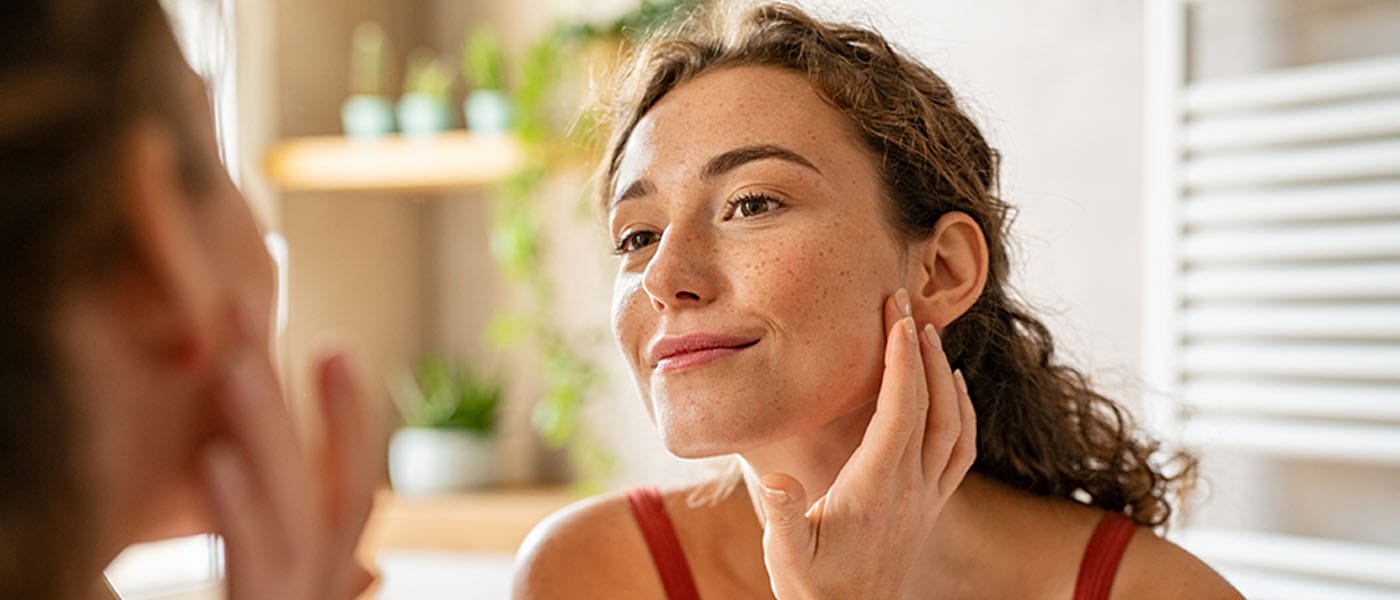
After each session you complete, it’s important to incorporate a gentle, nourishing skincare routine. Focus on gentle moisturizers and hydrating agents (e.g. hyaluronic acid) to support the skin. Avoid harsh skincare products, such as exfoliators, retinoids, and products with alcohols.
You should also take care to avoid excessive sun exposure, and apply a broad-spectrum sunscreen on any exposed areas.
In the first few days after each session, you should also avoid anything that causes significant sweating or heat, such as intense exercise, saunas, or hot baths. It’s also prudent to avoid rubbing, touching, picking, or scratching the treated areas to ensure optimal healing.
Importance of Continued PRP Therapy for Longevity
In order to see continual benefits, it’s helpful to undergo maintenance therapy. Usually, most patients benefit from having a maintenance treatment once per year. These continued treatments help to maintain collagen production and skin rejuvenation, making sure that your skin stays healthy, strong, and glowing.
Tips for Maximizing Skin Rejuvenation
There are several diet and lifestyle tips that can maximize skin rejuvenation and promote optimal healing after PRP microneedling treatment. Try to implement as many of the following as you can:
- Stay hydrated: Drink around 64 oz of water per day (your exact needs may vary). Supports skin barrier health, detoxification, and general wellness
- Consume antioxidant-rich foods: Berries, pineapple, leafy greens, and other colorful fruits and veggies. Helps combat oxidative stress. Plus, vitamin C and other antioxidants help with collagen synthesis and/or protect the skin.
- Adequate sleep each night: Crucial for skin recovery and healing
- Stress management techniques: Minimizing stress allows the body to focus more on healing and rejuvenation
Acne scars can be very troubling. But with the right treatment and ongoing support, you can achieve the optimal skin results you’re after. If you’re wondering how to treat your acne scars, reach out for a personalized consultation at Genesis Lifestyle Medicine. We are one of the leaders in cosmetic dermatology, and we will make sure you receive the exact treatment plan that fits your goals.
FAQs
Listed below are answers to some frequently asked questions regarding microneedling with PRP for acne scars.
Is microneedling with PRP better than either treatment alone?
For many individuals, microneedling with PRP may lead to better results for acne scars compared to either treatment alone. These treatments provide complementary effects that speed up healing, promote better collagen production and skin regeneration, and usually lead to greater patient satisfaction for acne scars compared to using just one treatment.
How many sessions do I need to treat my acne scars?
Most individuals do well with three microneedling and PRP sessions to treat their acne scars. However, you may need more treatments, even as high as six to eight, if you have more severe scarring or complex issues.
Is PRP microneedling suitable for anyone?
No. PRP microneedling is best suited for people with mild to moderate acne scarring, particularly if you have atrophic acne scars. It’s not suitable for those with keloid or hypertrophic acne scars.
PRP microneedling may not be advisable for individuals with:
- Active skin lesions or infections
- Platelet or bleeding disorders
- Hypertrophic or keloid scars
- HIV infection
- Autoimmune disease
It is generally not advised for pregnant or breastfeeding women either, due to unknown effects in these instances.
Medically reviewed by Dr. Alex Spinoso
References
- Connolly, D., Vu, H. L., Mariwalla, K., & Saedi, N. (2017). Acne scarring—pathogenesis, evaluation, and treatment options. The Journal of Clinical and Aesthetic Dermatology, 10(9), 12-23. https://pmc.ncbi.nlm.nih.gov/articles/PMC5749614/
- Wu, B., Gao, M., Zhang, Y., & Bai, X. (2025). Optimal treatment options for acne scars in patients with historic acne: A systematic review and network meta-analysis. PeerJ, 13, e19938. https://peerj.com/articles/19938/
- Afreen, S., Shenod, S., Thirumushi Sairaj, R., Khalil, A., Khalil, S., Nazzal, L., ... & Calderon Martinez, E. (2026). Combined microneedling and platelet-rich plasma for atrophic acne scars: A systematic review, meta-analysis and trial sequential analysis. Archives of Dermatological Research, 318(1), 155. https://link.springer.com/article/10.1007/s00403-026-04547-1
- Damodaran, J., Mohanan, S., Mathiyalgen, P., & Carounanidhy, U. (2026). A split face study to compare the efficacy of platelet-rich plasma combined with microneedling versus microneedling alone for treatment of acne scars. Indian Dermatology Online Journal, 17(1), 67-72. https://pmc.ncbi.nlm.nih.gov/articles/PMC12854574/
- Ismail, S. A., Khella, N. A., & Abou‐Taleb, D. A. (2022). Which is more effective in atrophic acne scars treatment microneedling alone or platelet rich plasma alone or combined both therapeutic modalities?. Dermatologic Therapy, 35(12), e15925. https://onlinelibrary.wiley.com/doi/10.1111/dth.15925